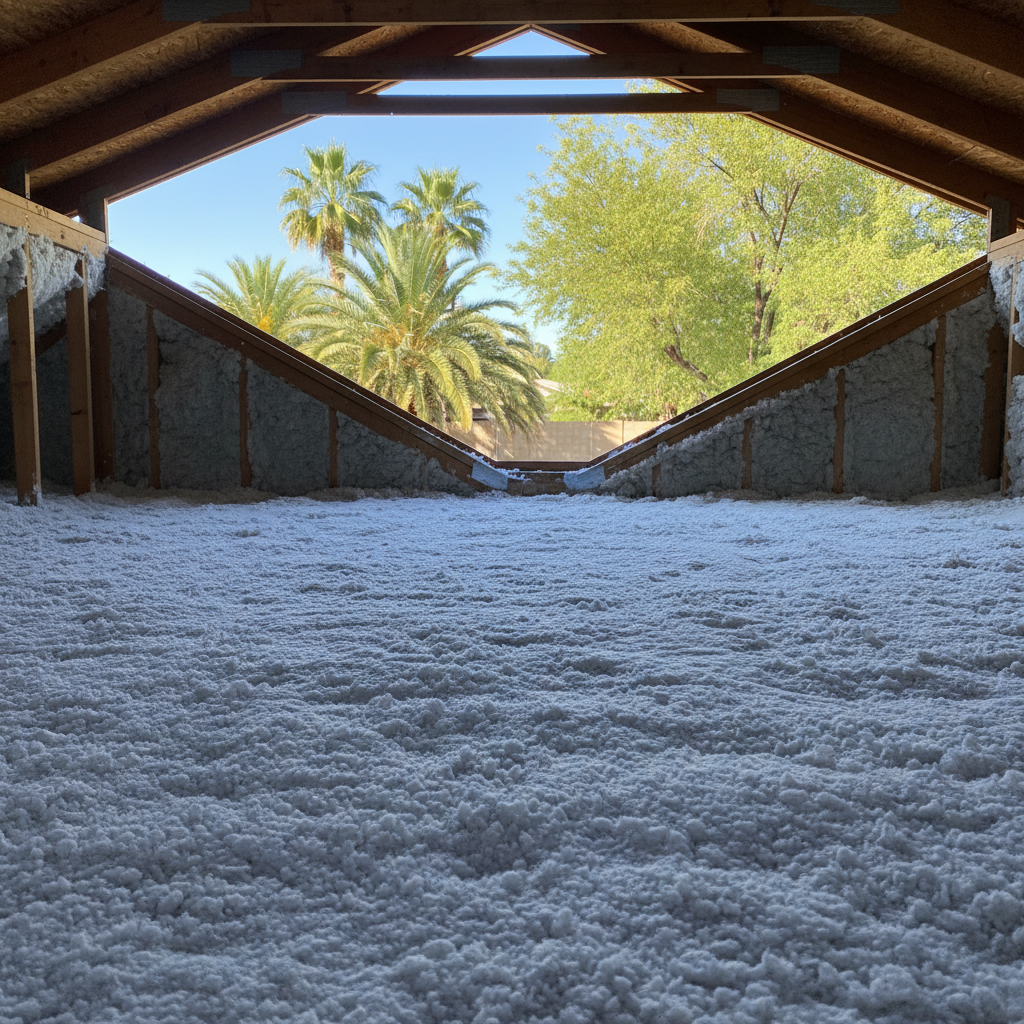
You've invested in blown-in insulation, and that's a smart move, especially here in Tempe. It's fantastic for keeping our homes cool when it's 115 degrees outside and warm enough on those few chilly winter nights. But like anything else in your house, it's not a 'set it and forget it' deal. A little attention goes a long way in making sure your insulation lasts and keeps doing its job effectively. Let's talk about how to extend its life and what to watch out for.
Extending the Life of Your Blown-In Insulation
The good news is, blown-in insulation, whether it's cellulose or fiberglass, is pretty durable. But our Arizona climate throws some unique challenges at it. The intense heat, dust, and even the occasional monsoon can impact things over time.
- Keep it dry: This is probably the biggest one. Water is the enemy of insulation. Leaky roofs, plumbing issues in the attic, or even condensation from poorly sealed ducts can cause blown-in insulation to clump, settle, and lose its R-value. Fixing leaks promptly is crucial. I've seen plenty of homes in older neighborhoods like Papago Manor where a small roof leak went unnoticed for too long, ruining a whole section of insulation.
- Mind your attic ventilation: Proper attic ventilation is key to managing heat and moisture. A super-hot attic can degrade insulation materials faster over time. Make sure your soffit and ridge vents aren't blocked by dust or debris. Good airflow helps whisk away heat and any moisture that might accumulate.
- Protect it from pests: Rodents, birds, and insects love to nest in insulation. They compact it, tear it up, and leave droppings, all of which reduce its effectiveness. Seal up any entry points into your attic – gaps around pipes, vents, or eaves. It's a lot easier to keep them out than to deal with them once they're in.
- Avoid unnecessary disturbance: If you're up in the attic for any reason (running new wires, checking AC ducts), try not to walk directly on or compress the insulation. If you have to, try to fluff it back up gently afterward, but generally, it's best to minimize disturbing it.
Regular Maintenance: What You Can Do
You don't need to be up in your attic every month, but a yearly check-up can save you a lot of headaches and money down the road. I usually recommend doing it in the fall or spring when the attic isn't scorching hot or freezing cold.
Here's what I look for:
- Visual inspection: Grab a flashlight and take a good look around. Does the insulation look uniform? Are there any noticeable dips or bare spots? Is it discolored? Dark spots could indicate water damage or mold.
- Check for settling: Over time, especially with cellulose, blown-in insulation can settle. If you can see the top of your joists, it's a sign that your insulation has settled and you've lost some R-value.
- Look for pest activity: Are there droppings? Nests? Tunnels? If you see signs of critters, you'll need to address that issue before it gets worse.
- Inspect around penetrations: Check around recessed lights, exhaust fan vents, and plumbing stacks. Sometimes the insulation gets pushed away or settles unevenly in these spots, creating thermal bridges where heat can easily escape or enter.
Warning Signs of Problems
Your house will often tell you when something's not right. Pay attention to these signs:
- Higher utility bills: This is usually the first indicator. If your AC is running constantly and your bills are climbing, but nothing else has changed, your insulation might be a culprit.
- Uneven temperatures: Are some rooms noticeably hotter or colder than others, even with the thermostat set? This could mean inconsistent insulation coverage.
- Drafts: Feeling drafts, especially near ceilings or interior walls, can sometimes point to insulation issues in the attic.
- Musty odors: A damp, musty smell, particularly in upper floors or coming from vents, is a strong sign of moisture problems in your attic and potentially mold in your insulation.
- Visible damage: If you see water stains on your ceiling, that's a clear sign you've got a leak that's likely affecting your insulation.
When to Call a Professional
While a visual check is something any homeowner can do, there are times you really need to bring in the pros. Don't hesitate if:
- You suspect water damage or mold: This isn't just an insulation problem; it can be a health hazard. Professionals have the right equipment to assess the extent of the damage and safely remove or remediate it.
- You have a pest infestation: If you've got a serious rodent problem, you'll need to get rid of the pests and then have the damaged insulation removed and replaced. It's a messy job you don't want to tackle yourself.
- You notice significant settling or bare spots: If your insulation has settled considerably, or you have large areas with insufficient coverage, it's time for an inspection and potentially a top-up. We can assess your current R-value and recommend the best solution.
- Your energy bills are consistently high: If you've done all the usual checks (AC maintenance, sealing windows) and your bills are still through the roof, it's worth having an insulation expert take a look. We can perform an energy audit to pinpoint exactly where you're losing efficiency.
- You're uncomfortable going into your attic: Attics can be hot, dusty, and sometimes tricky to navigate. If you're not comfortable, that's perfectly fine. That's what we're here for.
Taking care of your blown-in insulation means it'll take care of you, keeping your Tempe home comfortable and your energy bills manageable for years to come. If you're ever in doubt or need a hand, give us a call at Spray Foam Pros of Tempe. We're always happy to help our neighbors.