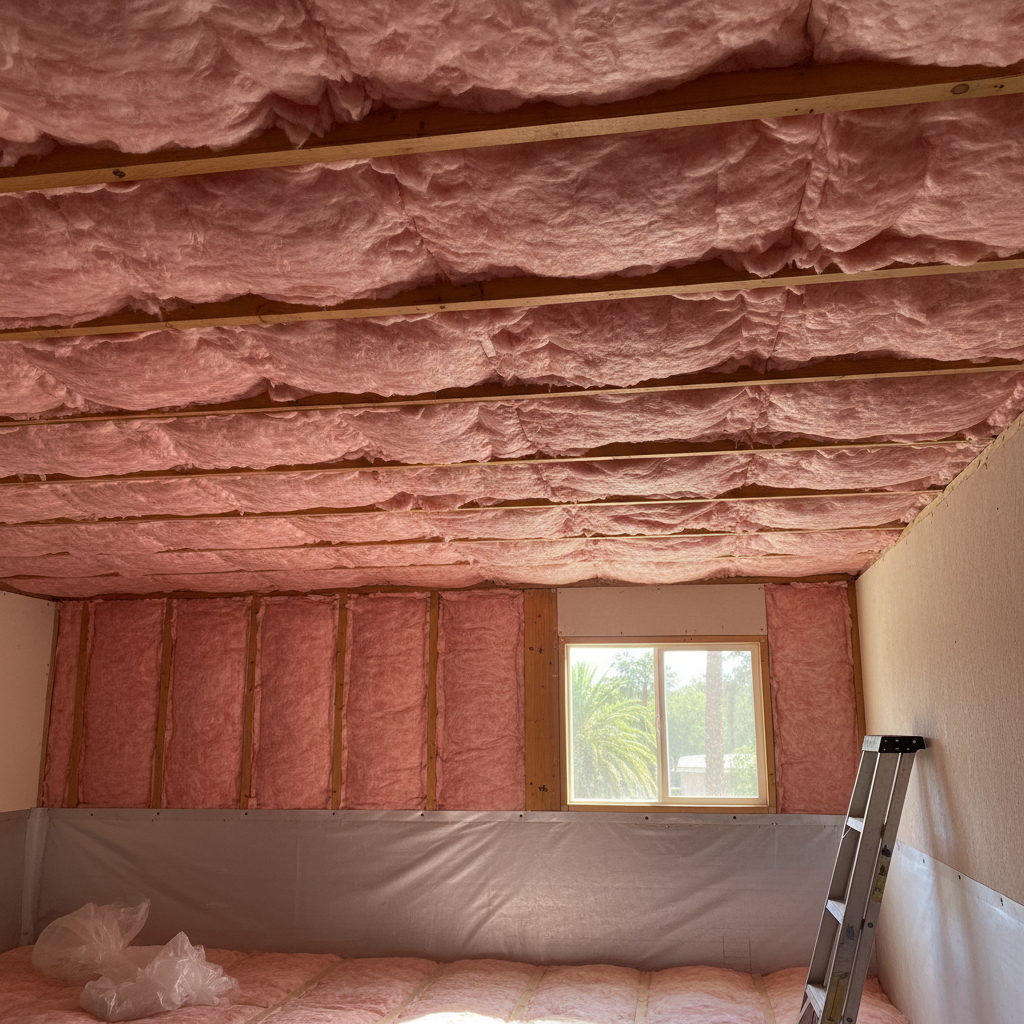
So, you've invested in new batt insulation for your Tempe home. That's a smart move, especially with our summers. You're probably already feeling the difference – a cooler house, maybe a little less noise, and definitely a happier AC unit. But here's the thing: insulation isn't a 'set it and forget it' kind of deal, not if you want it to perform its best for the long haul. A little attention now can save you a lot of headaches and money down the road.
Extending Your Batt Insulation's Lifespan in Tempe
Our desert climate is tough on everything, and insulation is no exception. The extreme heat, the dust, and even the occasional monsoon can take a toll. The good news is, extending the life of your batt insulation isn't rocket science. It mostly comes down to protecting it from its enemies: moisture, pests, and damage.
First off, keep your attic dry. This is huge. Any leaks in your roof, even small ones, can saturate batt insulation, making it lose its R-value and creating a perfect breeding ground for mold. Get those roof issues fixed ASAP. Also, make sure your attic ventilation is doing its job. Good airflow helps prevent moisture buildup and keeps the attic from becoming an oven, which can degrade insulation over time.
Pest control is another big one. Rodents, birds, and even insects love to nest in insulation. They'll compress it, tear it up, and leave behind droppings, all of which compromise its effectiveness. Seal up any entry points into your attic – gaps around pipes, vents, or eaves. It's a proactive step that pays off.
Regular Maintenance: What You Should Be Doing
You don't need to be up in your attic every week, but a quick check-up once or twice a year is a good idea. I usually tell folks to do it in the cooler months, like late fall or early spring, so you're not baking up there. Grab a flashlight and take a look around.
- Look for uniformity: Is the insulation still evenly distributed? Are there any obvious compressed spots or gaps? Batt insulation should look fluffy and fill the joist cavities.
- Check for moisture: Are there any water stains on the insulation or the wood framing? Does it feel damp to the touch? Any signs of moisture mean you've got a leak somewhere that needs immediate attention.
- Pest evidence: Look for droppings, nests, or chewed-up areas. If you see signs of critters, you'll need to address the infestation and likely replace the damaged insulation.
- Ventilation: Make sure your soffit vents aren't blocked by insulation. You want that air flowing freely from the eaves up to your ridge vents.
Honestly, a lot of this is just common sense. If something looks off, it probably is.
Warning Signs You've Got a Problem
Your house will tell you when something's not right with your insulation. You just need to know what to listen for. Here are the red flags:
- Rising energy bills: If your AC is working harder than ever to keep your house cool, and your energy bills are climbing for no apparent reason, compromised insulation is a prime suspect.
- Inconsistent temperatures: Are some rooms noticeably hotter or colder than others? This can indicate uneven or damaged insulation.
- Drafts: Feeling drafts even when windows and doors are closed? While it could be window seals, it could also be air leakage from your attic due to poor insulation coverage.
- Pest noises: Hearing scurrying, scratching, or chirping in your attic or walls? You've got uninvited guests making themselves at home in your insulation.
- Visible damage: If you can see insulation that's wet, moldy, compressed, or torn, you've definitely got an issue.
Don't ignore these signs. They're not going to fix themselves, and usually, they'll just get worse.
When to Call a Professional
While you can certainly do those visual checks yourself, there are times when it's best to bring in the pros. If you find any significant water damage, extensive mold, or a serious pest infestation, that's definitely a job for someone with the right equipment and expertise. Dealing with mold, especially, requires specific safety precautions.
Also, if you're experiencing those high energy bills or inconsistent temperatures and can't pinpoint the problem, a professional insulation contractor can perform an energy audit. We've got tools like thermal cameras that can identify exactly where your home is losing energy, even if the damage isn't visible to the naked eye. Sometimes, it's not just the insulation itself but air leaks that are the real culprits, and we can help seal those up too.
Here at Spray Foam Pros of Tempe, we're experts in all kinds of insulation, including batt. We've seen it all, from sun-baked attics in Papago Park to older homes in the Maple-Ash neighborhood with decades-old, failing insulation. We can assess your current setup, recommend solutions, and make sure your home is properly insulated to handle whatever our Arizona weather throws at it. Don't wait until your AC is running non-stop and your wallet is empty. A little proactive care goes a long way.